


“What do young people actually want from their future job?” and “Why are they no longer willing to accept any job?” are probably questions you ask yourself as an employer. Interest in understanding the late Gen Z generation (11th- and 12th-grade high school students) is growing, as they will become increasingly active in the labor market over the next 2–3 years.
In this context, the answers do not come from studies, but directly from the young people who choose to create real opportunities for students and companies to connect. Melek Plesa, founder of the educational NGO NextStep Romania and a student at Nicolae Grigorescu National College in Câmpina, felt there was a need for more communication between high school students and employers in Câmpina, and for more meaning in the way young people choose their careers. She wanted to test whether her own professional aspirations and those of her classmates could become reality—or whether new opportunities might emerge.
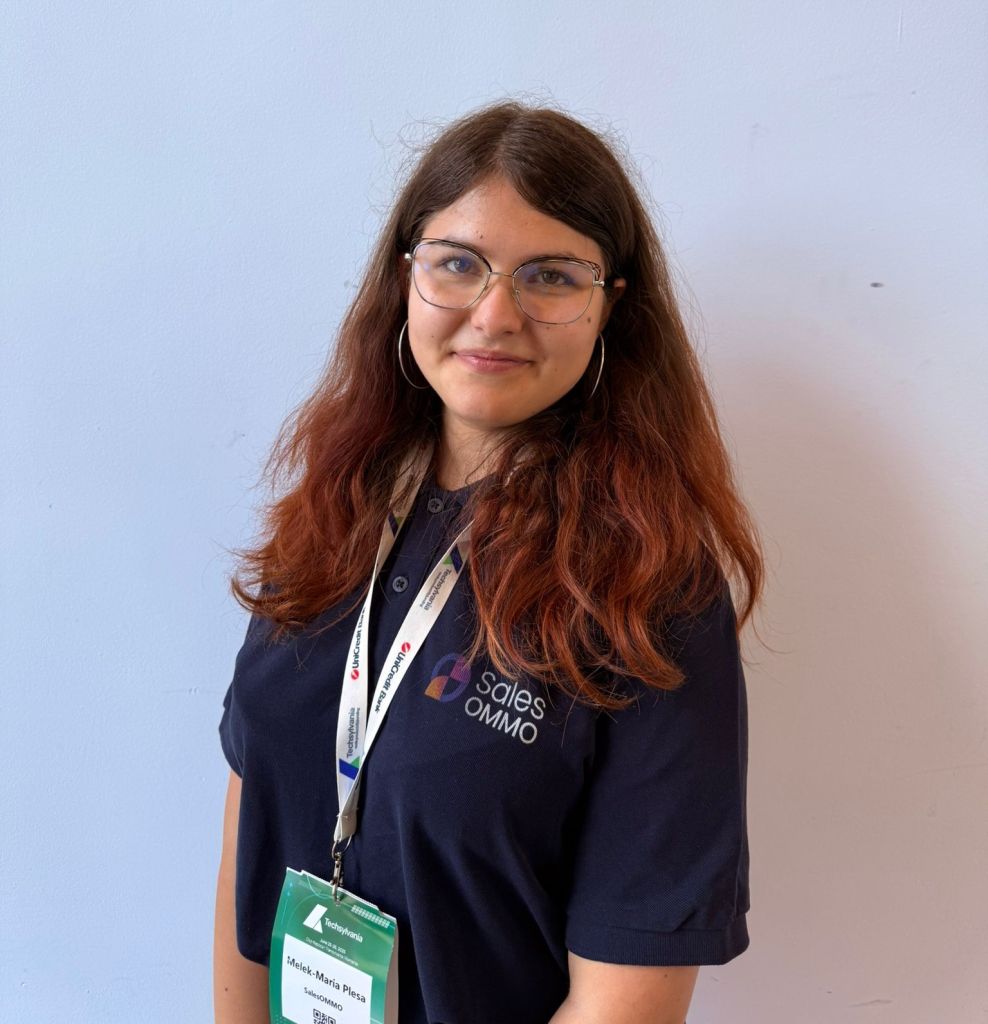
And because there were no events in Câmpina that brought together high school students and employers, Melek answered a question her father asked while they were driving to Cluj: “If it doesn’t exist, why don’t you create it yourself?”
She already had the framework in place as the founder of the educational NGO NextStep—an organization born from a simple yet powerful idea: education should not stop at the classroom door. Students deserve access to real-world experiences, authentic mentorship, and practical guidance that help them discover what truly inspires them.
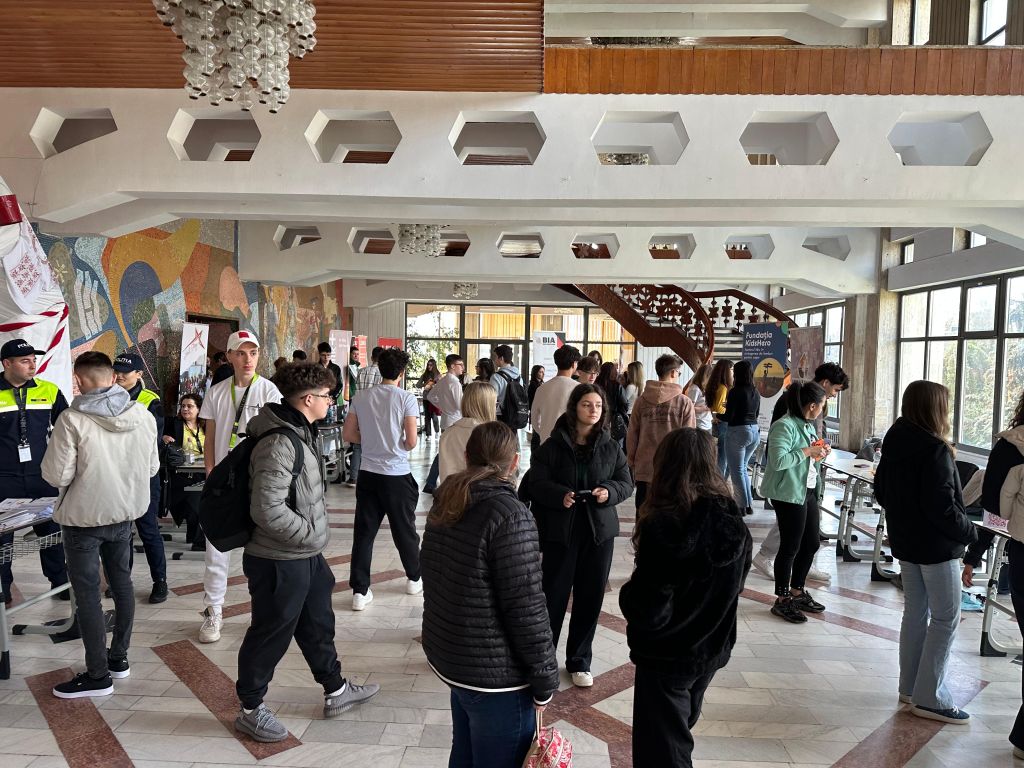
At just 17 years old, Melek Plesa succeeded in bringing together 12 companies (including BIA Human Capital Solutions) and more than 100 high school students at the NextStep Summer Intern Fair, held on April 1, 2026. And it was no April Fool’s joke. The results were evident when over 100 students remained engaged throughout the event, asked questions, and scanned QR codes at the company booths, and when representatives of all 12 companies took the stage without hesitation. The impact was also reflected in the students’ registrations for job shadowing sessions and in the dedication of the team—40 volunteers coordinated the event alongside Melek, starting at 7 a.m.
Find out from Melek Plesa:
- What her experience at the Summer Intern Fair was like, both as an organizer and a participant
- What was the main benefit for the students
- Which industries attract high school students when choosing a career
- What they want from their future jobs and what selection criteria they use
- What concerns young people have about their future careers
- What the ideal employer looks like from a high school student’s perspective
- What she plans for future editions of the Summer Intern Fair
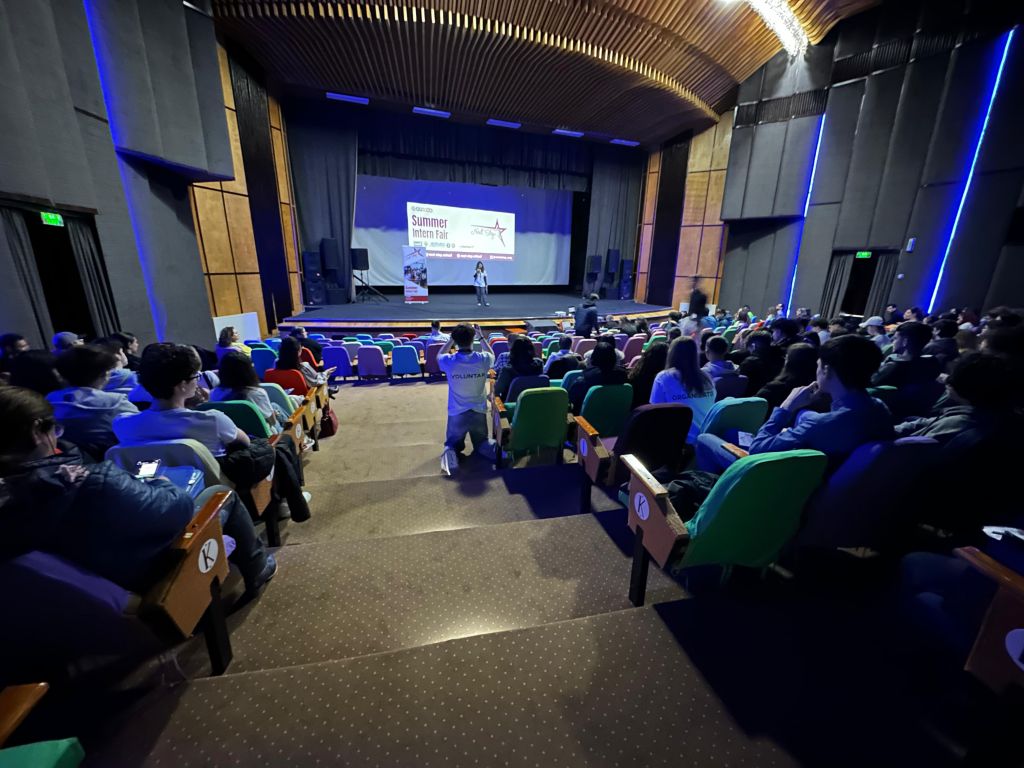
How would you describe your experience at the Summer Intern Fair from your dual perspective as both a participant and an organizer?
The day the Summer Intern Fair took place was one of the most beautiful and rewarding days of my life. As a participant, I had the opportunity to meet many companies from Prahova and Bucharest and discover industries I previously knew very little about. What I found most valuable was that students had the opportunity to sign up for job shadowing sessions and see firsthand what a typical day in a company looks like.
As an organizer, the experience was special because I could directly observe the students’ reactions. I remember the moments when they spoke with company representatives or listened to presentations and you could literally see an idea spark in their minds. It was the kind of moment when you could see them thinking, “Yes, this is what I want to do.” I believe that was the most rewarding part for me.
In your view, what was the biggest benefit for the students who attended?
The greatest benefit was the opportunity to explore multiple career paths and understand the differences between them. High school students often have only a general idea of certain professions, but at the event, they were able to speak directly with professionals and gain a much clearer understanding of what each role involves. In addition, the opportunity to sign up for job shadowing sessions gave them practical experience and a much more realistic perspective.
What types of jobs or industries did you notice attracting the most interest from students?
I felt that all industries attracted interest, especially because there were more than 150 participants, each with different specializations and passions. Some were interested in technology and IT, others in medicine, business, marketing, or creative fields. I believe the diversity of participating companies was what made the event so valuable, as every student was able to find something that resonated with them.
Based on your interactions with them, what do young people want most from their future jobs?
From what I observed, young people primarily want a stable job where they can do something they genuinely enjoy. They also want an environment where they feel valued and where they have opportunities to grow. At the same time, many are looking for interesting, dynamic work that does not become monotonous and gives them a sense of purpose.
What are the main criteria high school students use when choosing an employer?
For high school students, the company culture and the way people are treated matter greatly. Many are looking for a place where they can learn, where there is openness, and where they are not viewed simply as “inexperienced.” Development opportunities, flexibility, and an employer’s willingness to invest in young talent and give them a chance to grow are also important factors.
What concerns have you noticed among your peers regarding their future careers?
I have noticed that one of the biggest concerns is the lack of experience and the fear that it will be difficult to find an employer willing to give them an opportunity at the beginning of their careers. At the same time, many worry that their chosen field may no longer be relevant in a few years or that they will not be able to find a job that truly reflects who they are.
what does the employer you would want to work for look like? And what kind of job would you accept right now?
For me, the ideal employer is one that invests in people and creates an environment where continuous learning is encouraged. I would like to work in a place where ideas are heard, where there is mutual respect, and where you feel that your work genuinely makes an impact.
As for the job I would accept immediately, it would be one that combines creativity with the opportunity to build something useful for people. I believe essential elements include opportunities for growth, passionate colleagues, and the feeling that what you do truly matters.
What are your plans for future editions of the Summer Intern Fair?
For future editions, I would like to slightly change the event format by reducing the number of stage presentations and introducing more interactive booths where students can engage directly with company representatives. We also aim to invite even larger companies from a wider range of industries and transform the event into an even more practical and valuable experience for high school students.
Has this experience changed your perspective on your future career in any way?
Yes, definitely. After this experience, a career no longer seemed like something distant or unknown, but rather something you can start working toward right now. I realized that opportunities arise when you step outside your comfort zone, connect with people, and try new things. At the same time, this experience helped me understand how important it is to find a field you are genuinely passionate about, not just a secure job.
READ ALSO:
HR Trends in 2026: What You Need to Know to Stay Competitive
Despre autor
